
It’s another record-breaking harvest for Rías Baixas. With 45.8 million kilos of grapes harvested as of September 15 and harvest about ready to wrap up, the final total probably won’t exceed last year’s all-time record of 47.5 million kilos.
But along with the rest of Galicia, this year’s harvest is the earliest in Rías Baixas’ recorded history.
The first wineries began harvesting grapes to make base wines for sparkling Albariño on August 13 in the Ribeira do Ulla subzone, and were joined by wineries in the O Rosal, Condado do Tea and Val do Salnés subzones a few days later. A decent portion of the total harvest was brought in before the second half of September, something previously unheard of.
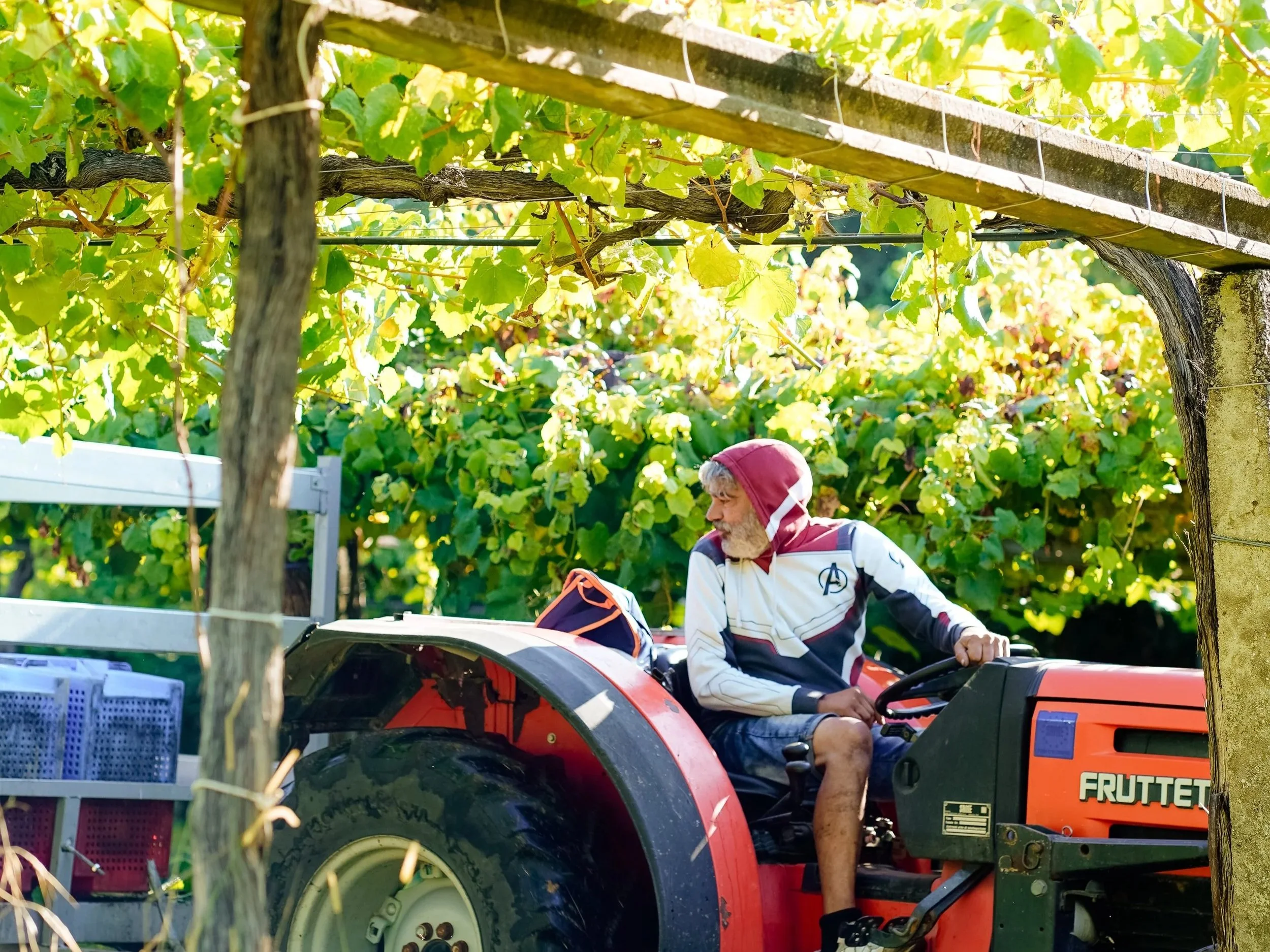
photo by Bodegas Granbazán
Technical director Agustín Lago says 2026 was characterized by “a warm and very wet winter, followed by a very warm and very dry spring—the fourth driest since records began—and an extremely warm and very dry June.” Heat in August made for optimal ripening conditions and also moved up the start of the harvest.
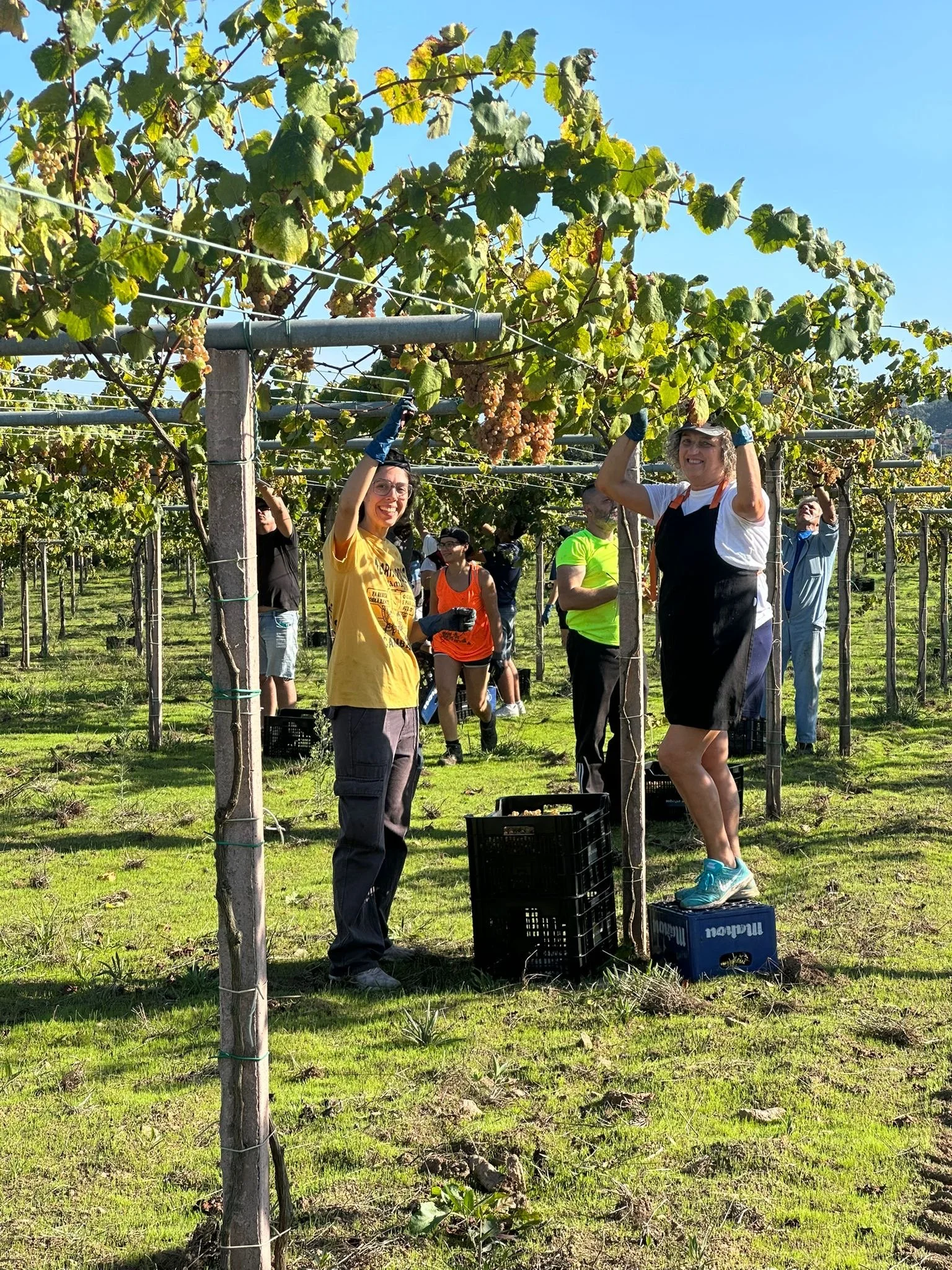
photo by Bodegas Albamar
The final number for 2026 is on track to be lower than the 50 million kilo predictions thrown around a few months ago. Much of that is due to the commercial reality facing Rías Baixas rather than questions of weather.
Concern over declining wine sales, changing consumer habits, and of course, US tariffs, have led some wineries to hedge their bets and not make as much wine as in previous years. This year, some wineries limited their purchases to 70% or 80% of the grapes they could have purchased under Rías Baixas’ authorized yield of 12,000 kilos per hectare, the newspaper Faro de Vigo reported.
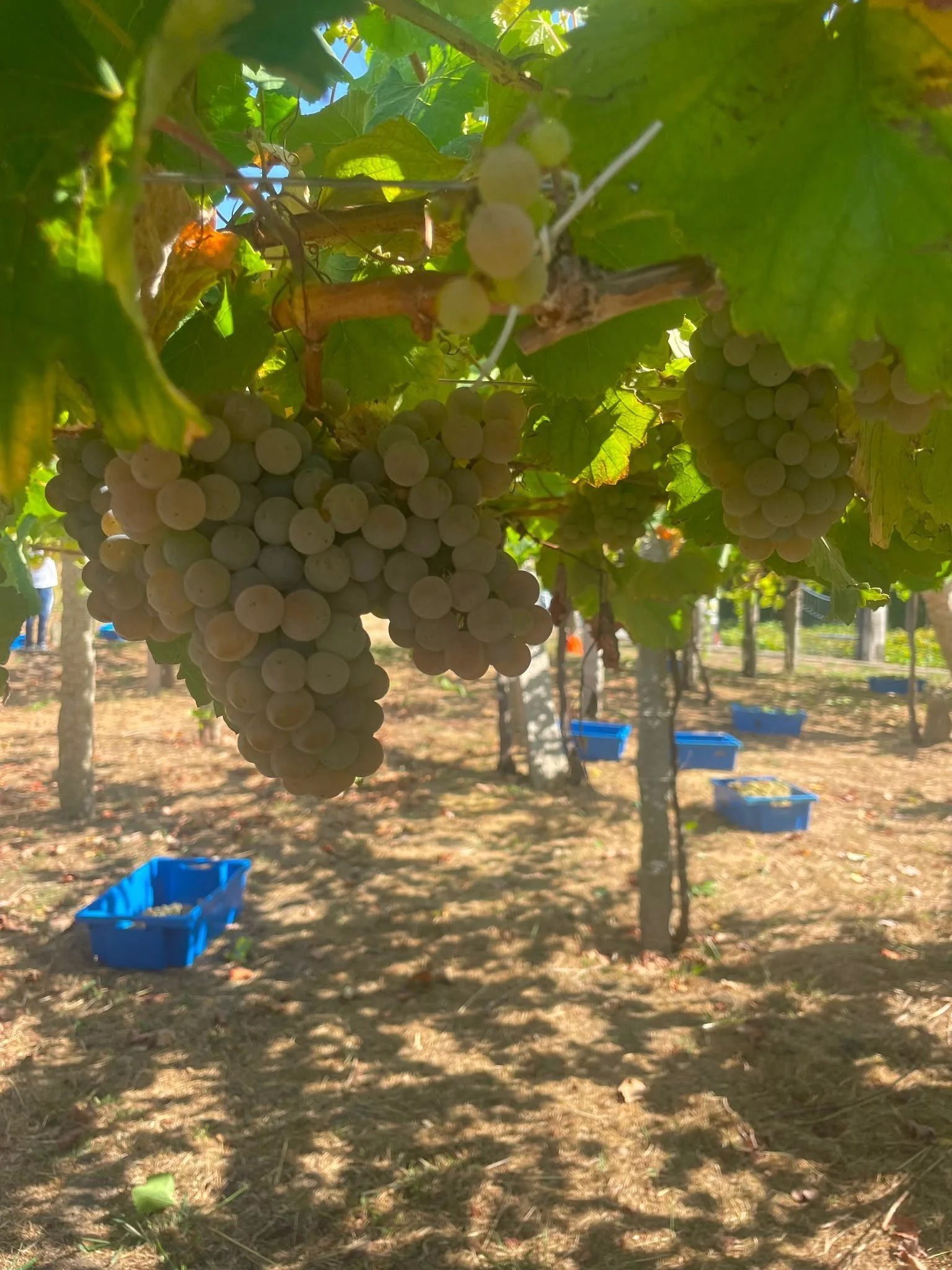
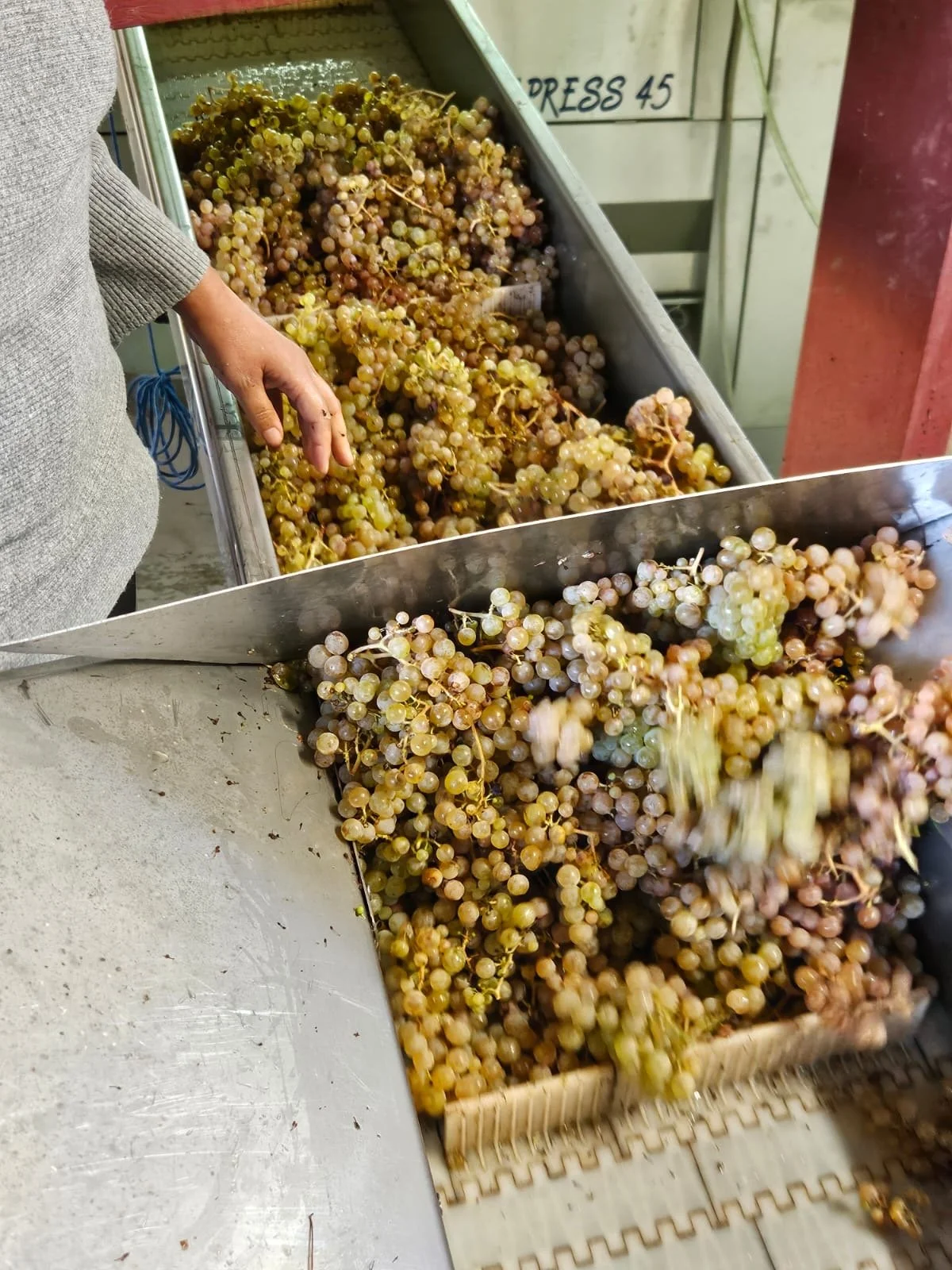
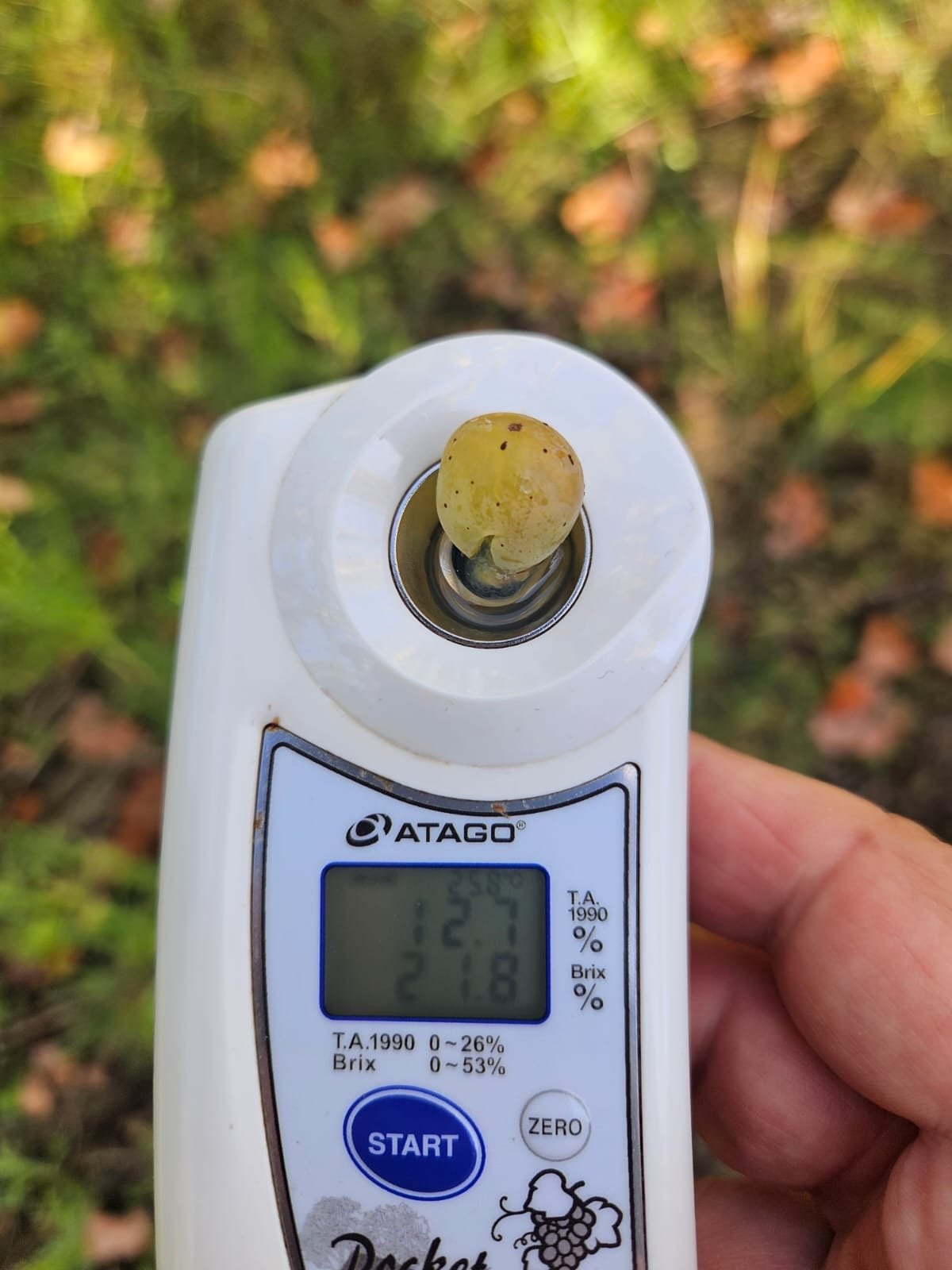
(l-r) Harvest at Zárate, Processing grapes at Adega Pombal, measuring potential alcohol at Adega Pombal
Adding to the year of firsts, 2026 was Vega Sicilia’s inaugural harvest in Rías Baixas, even as it puts the finishing touches on its winery in the Condado do Tea village of Crecente. Vega Sicilia will market the wines it makes in Rías Baixas with a new brand called Deiva, and hopes to make around 300,000 bottles of Albariño a year.