
Harvest Report 2026, Part IV - Ribeiro
Harvest came early this year in DO Ribeiro, just like the rest of Galicia, which I’ve written about in my other posts.
The official start date was August 12, when Viña Meín/Emilio Rojo harvested a few plots planted to the early-ripening Godello grape, but the rest of the region wasn’t far behind. Carlos Alberto, director of viticulture for the Viña Costeira co-op, which manages about a third of all vineyards in DO Ribeiro, said that 2026 will go down in history as one of the earliest in the 58 years of the Viña Costeira’s existence.
“Starting the grape harvest in August is something completely exceptional,” he said. “We only have similar records from August 30, 2011, and August 31, 2017.”
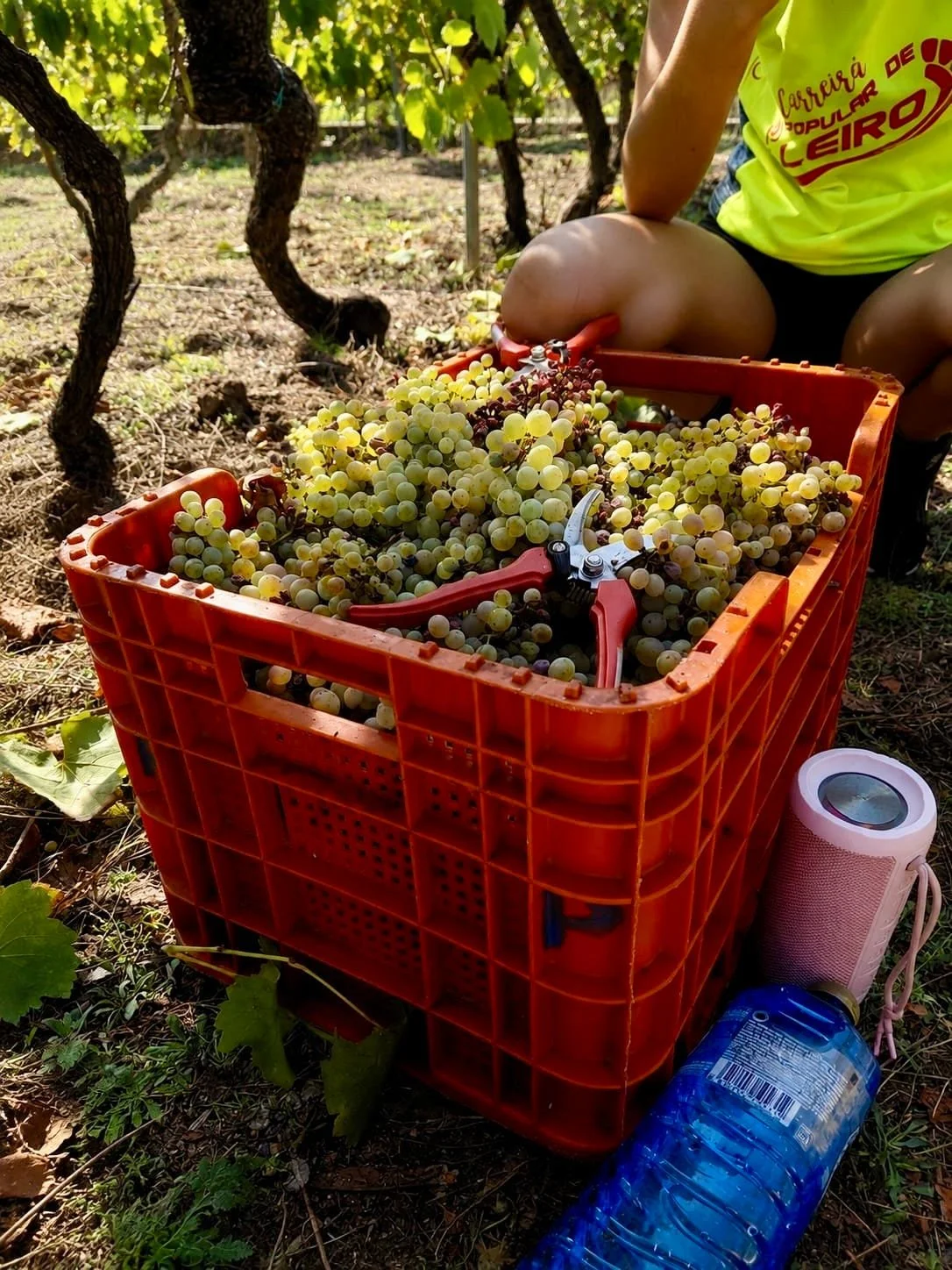
Photo by Iria Otero
After a long, hot summer, a spell of rainfall during the harvest rehydrated the grapes, some of which had begun to raisin.
Alberto Úbeda, president of the Colleiteiros (Small Growers) Association, told local newspaper La Región that “quality is generally good, and in terms of production, we’re back to normal because yields are high.” He said the rain forced them to rethink the harvest schedule, “but it was good for ripening and balance.”
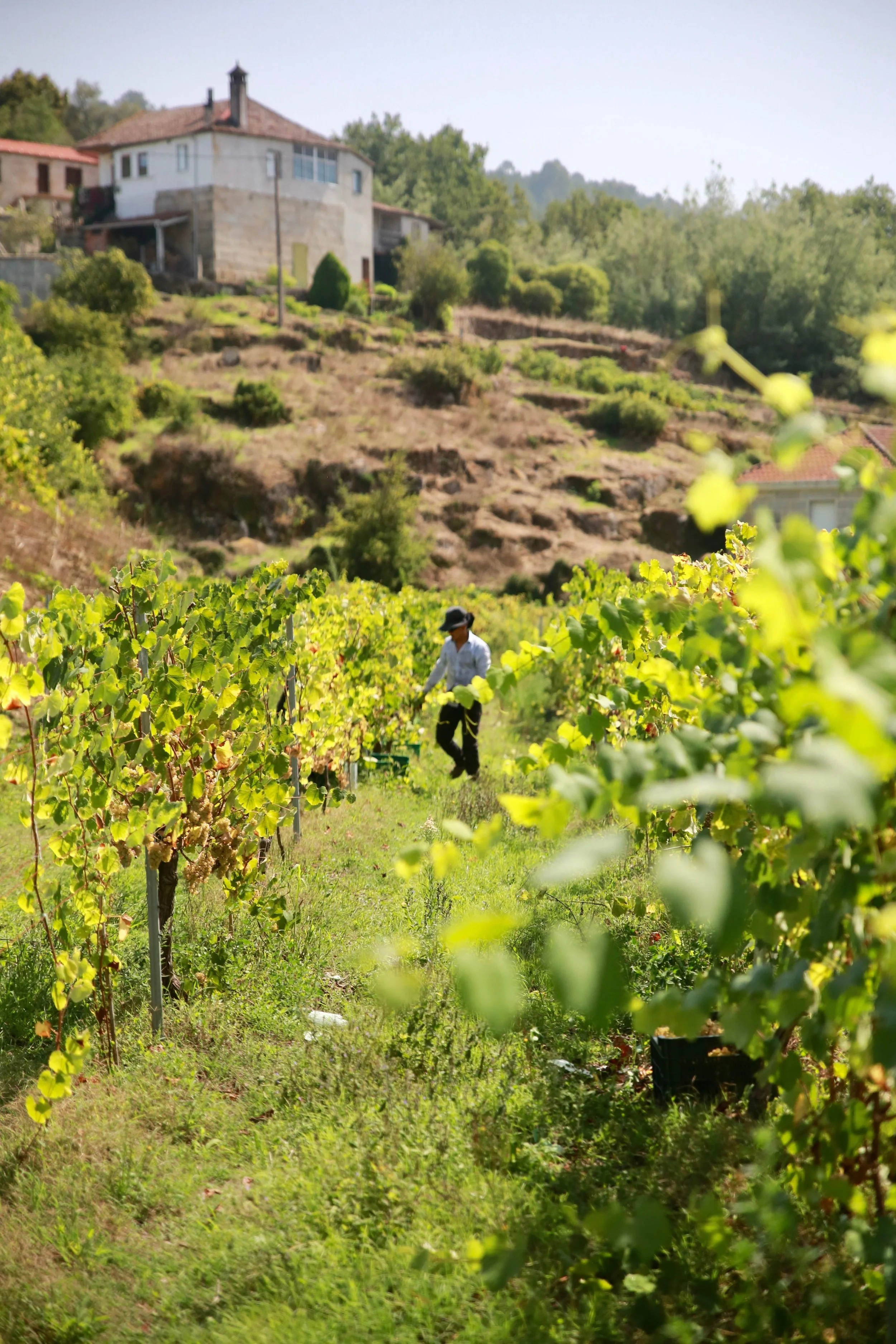
Photo by Alberto Úbeda
Ribeiro closed 2026 with 9.4 million kilos harvested, an increase over last year’s historic low of 8.1 million, but nowhere near the 10 or 11 million kilos the appellation used to see. The overwhelming majority of grapes harvested were white varieties, with Treixadura making up over half of the total. Palomino, which is a secondary grape but still widely planted (and still used in Viña Costeira’s Pazo Ribeiro white wine), accounted for about 20%, while Godello, Albariño, and Torrontés each made up around 5–8%. Red varieties, once traditional but now largely replaced by white grapes, accounted for less than 2%.
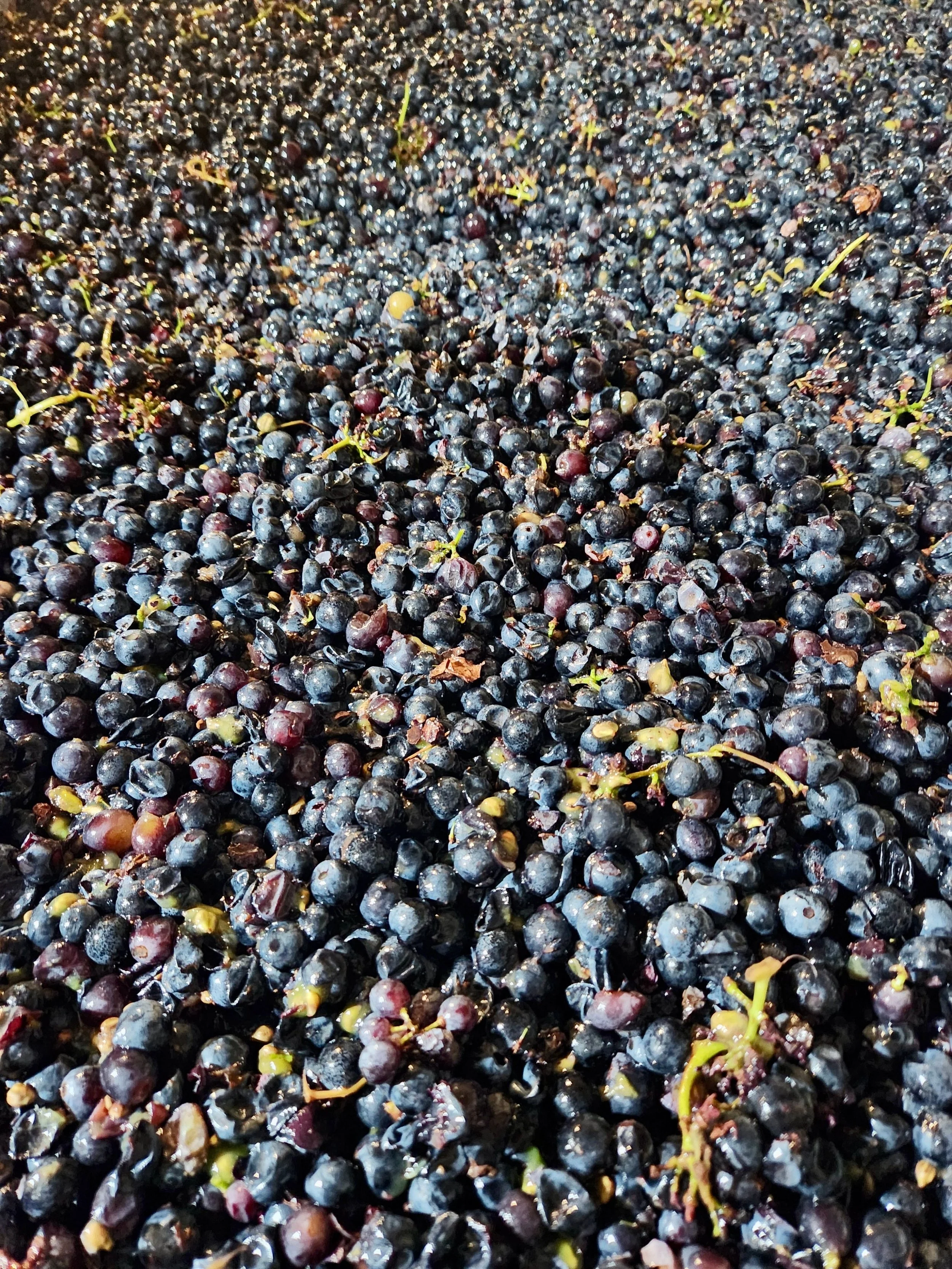
Photo by Iria Otero
The drop in production mirrors the contraction Ribeiro has seen over the last decade: roughly 3 out of every 4 registered growers and over half of the appellation’s registered vineyard area have disappeared. These days, vineyard abandonment is increasing at breakneck speeds as aging growers find themselves with no one to replace them. But all isn’t lost: small growers are working to recover traditional winemaking styles like tostado, a sweet wine made from air-dried grapes, or betting on traditional red varieties such as Brancellao, Sousón, or Caíño.
Ultimately, Ribeiro’s future will be written by the small, determined growers who choose to stay in the region and make wines that speak of place and tradition. By adding value back into the equation and showing that you can make a living from winemaking here, they’re working to reverse the decline of Galicia’s oldest and most venerable wine region.
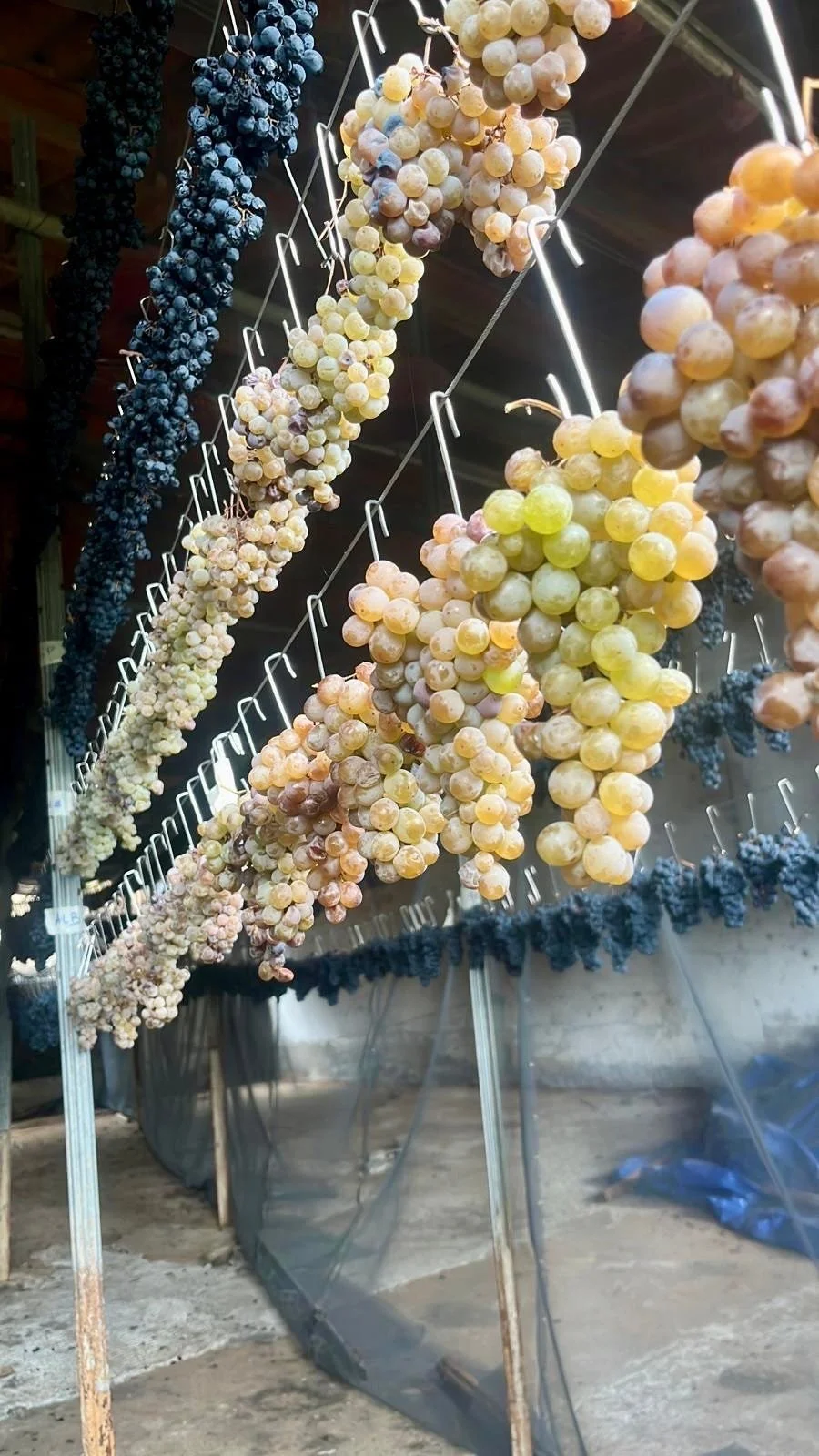
Grapes drying for tostado - Photo by Xulia Bande
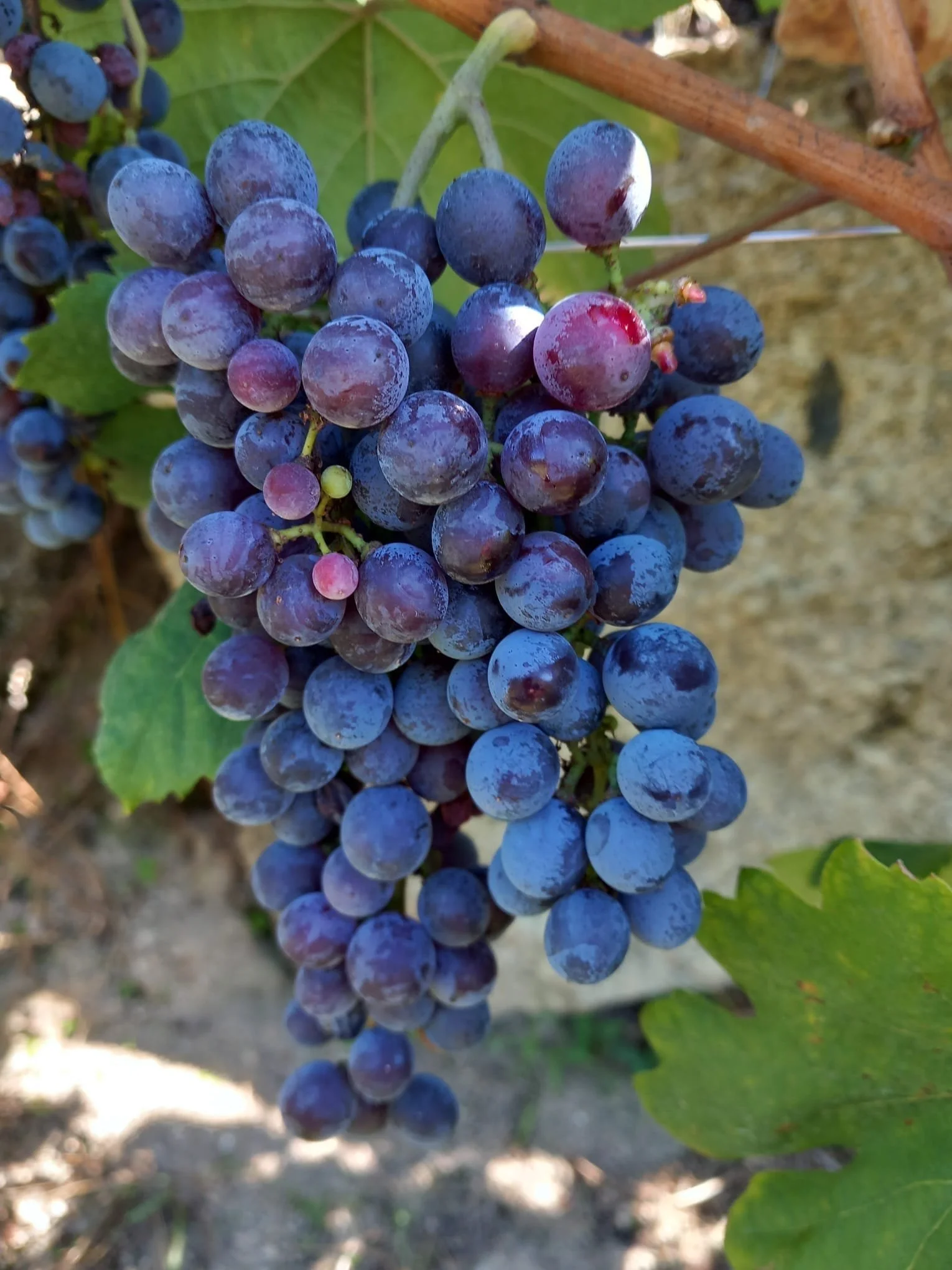
Brancellao, photo by Antonio Amil of Boas Vides