
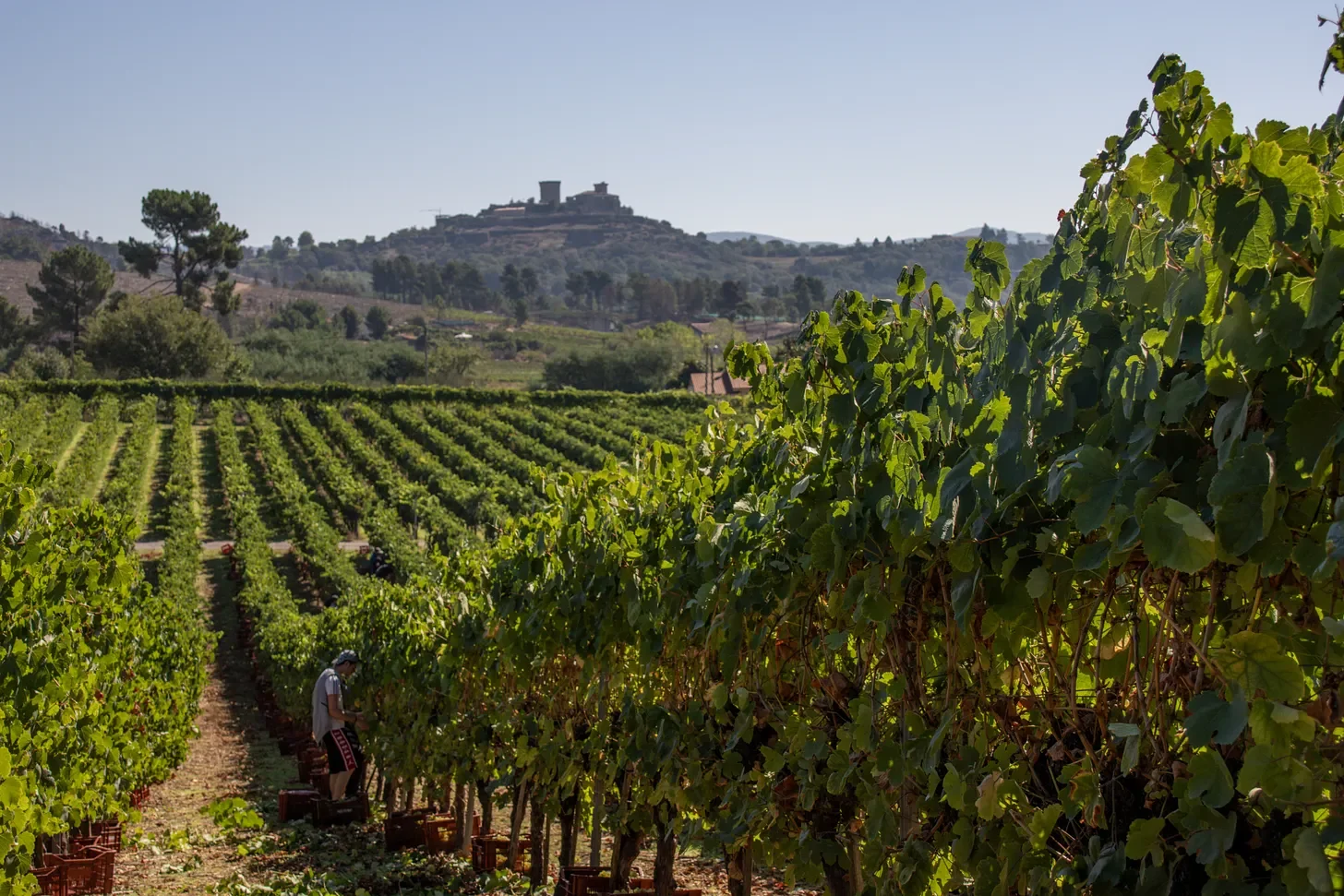
Image by CRDO Monterrei
Monterrei was the last of Galicia’s DOs to begin harvesting this year. Adega Castro de Lobarzán kicked things off on August 17 with vineyards in the village of Vilaza.
The earliest harvest in the DO’s thirty-year history came on the tail of a hot, dry summer, with virtually no rainfall from May through August and several months with temperatures above 35–36°C (95–97°F).
Gonzalo Losada, managing director of DO Monterrei, said that the lack of rainfall helped prevent disease in the vineyards and grapes came in with good health overall. He expects 2026 to yield wines with “a magnificent balance between alcohol content and acidity.”
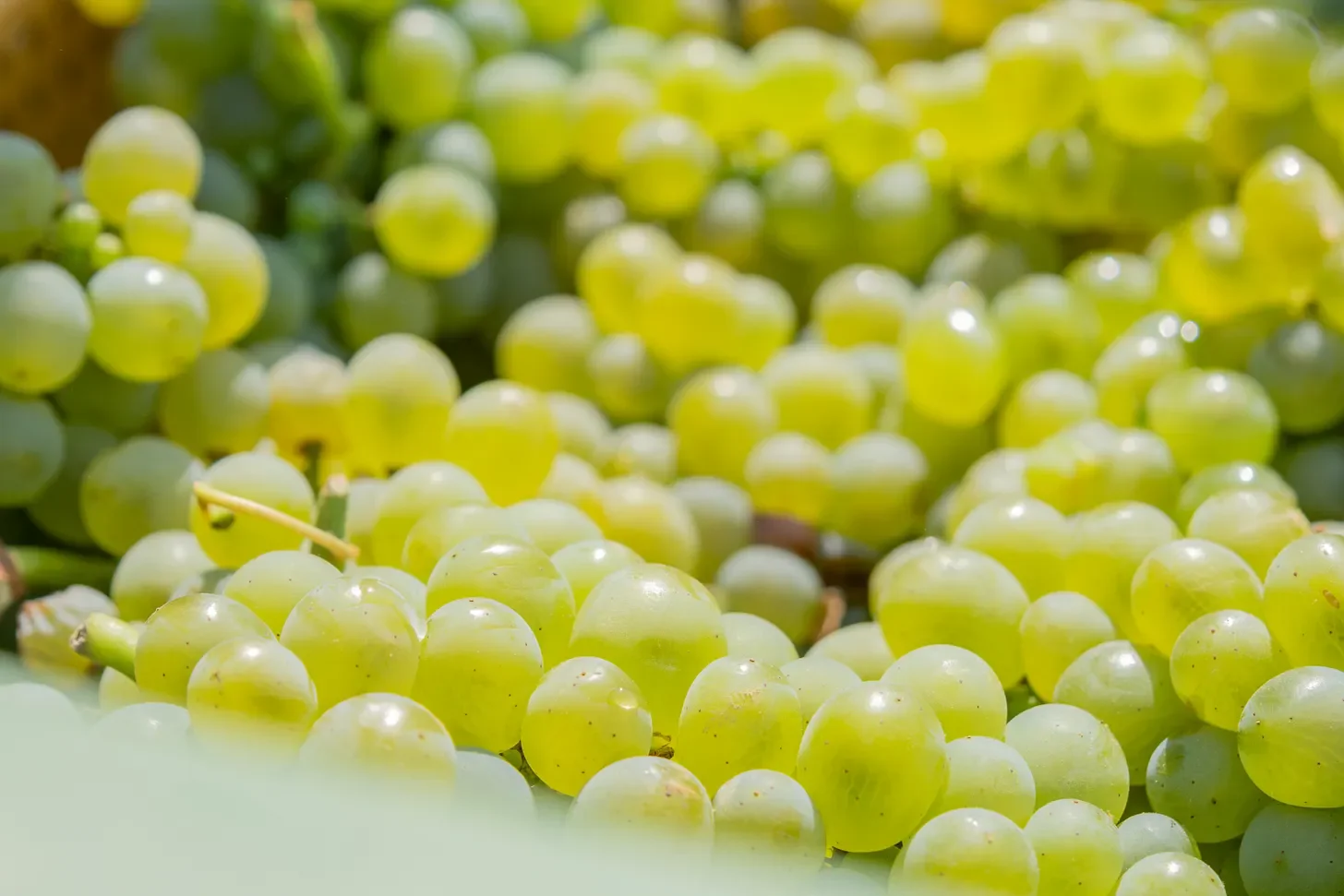
Image by CRDO Monterrei
This year, the final tally was 8.7 million kilos, the largest harvest yet for the young DO. White varieties accounted for 80% of that total, and Godello represented 65% of white grape production, an 8% increase year over year that reflects the variety’s growing popularity at home and in the rest of Spain.
Losada says Godello’s burgeoning popularity continues to drive the increase in vineyard plantings. Over the past decade, Monterrei has added more than 300 hectares of vines (a nearly 60% increase from 2015), production has risen by about three million kilos, and its estimated economic value more than doubled, according to data from the Galician Food Quality Agency.
At the same time, it had fewer growers in 2025 than in 2015, suggesting that it’s no exception to the same process of consolidation we’re seeing all over Galicia.
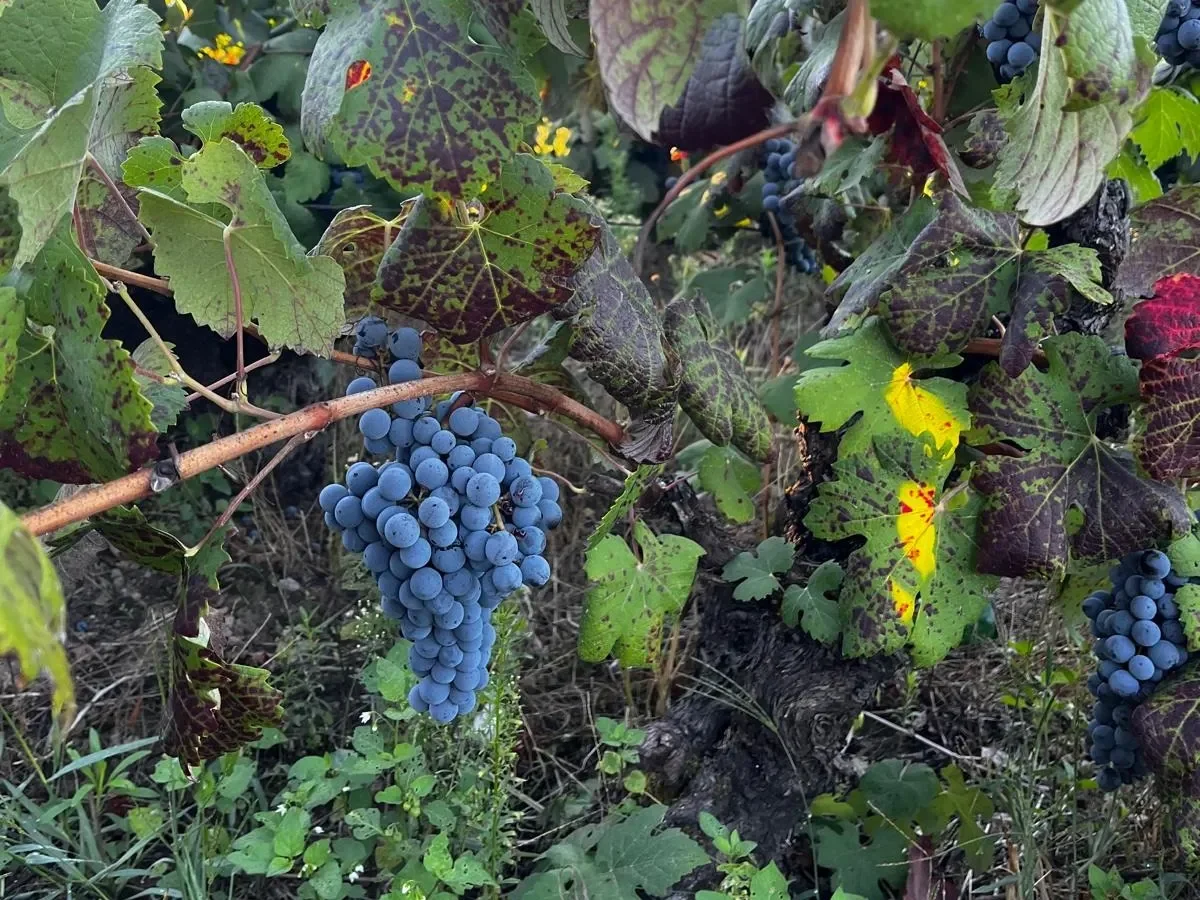
Gran Negro, by Jose Luis Mateo of Quinta Muradella, the producer who has best helped put Monterrei on the map
Although it hasn’t seen the same level of interest by large outside winery groups as other Galician wine regions, two of Galicia’s largest wineries, Martín Códax and Viña Costeira, make wine in Monterrei. Losada says Monterrei is increasingly becoming a destination for new vineyard development, but that the goal is to attract sustainable growth while maintaining quality.