In Memoriam: Luis Sande
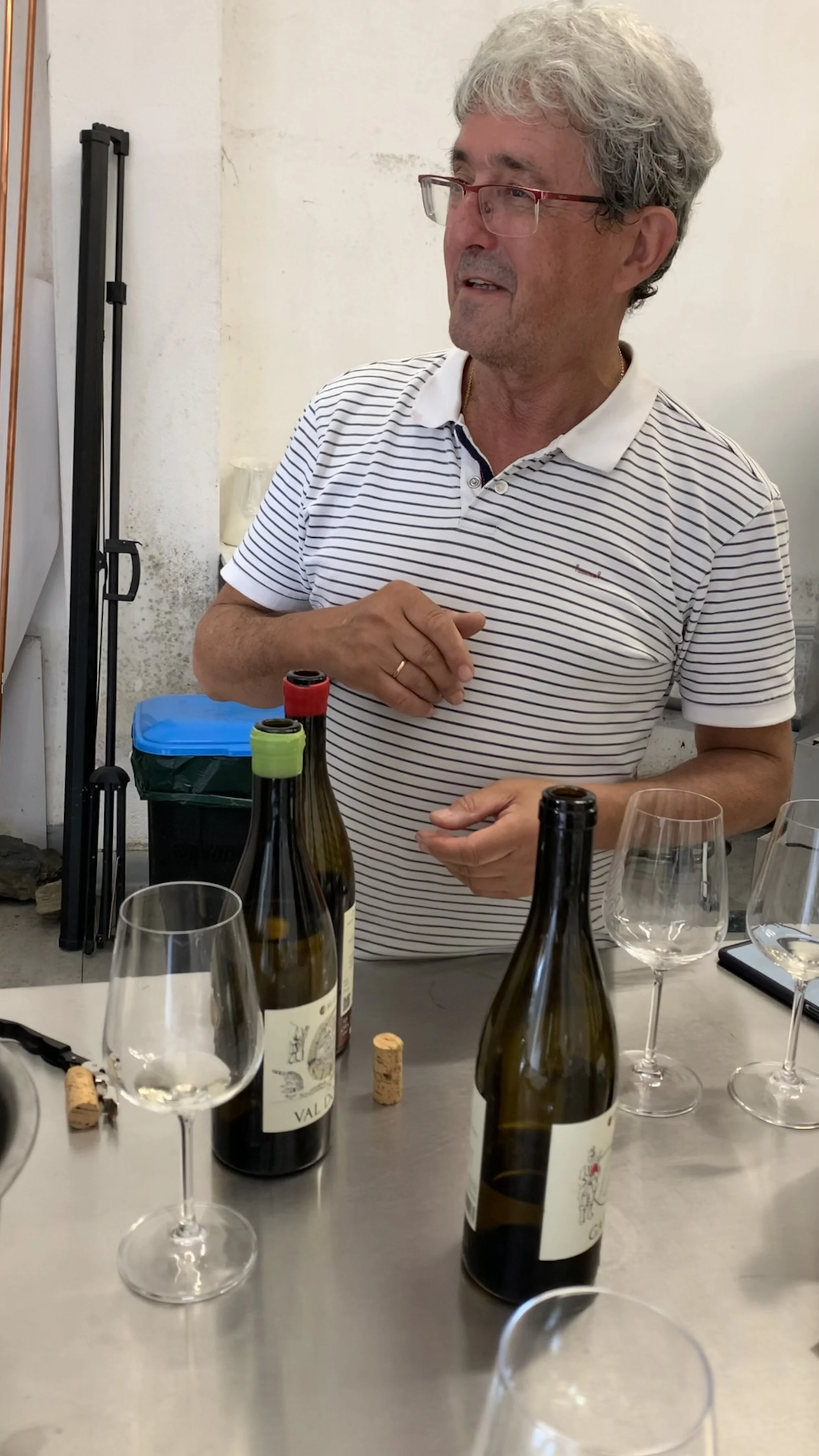
Betanzos is a tiny part of a tiny wine region that no one really knows about. In Spain, it’s more known for being the home of runny tortillas than for wine, and it was mostly exempt from the viticultural revival of the ‘80s and ‘90s. But that didn’t stop Luis Sande from embarking on a quixotic quest to revive its winemaking traditions. After a battle with cancer, Luis passed away on December 11. His death is a great loss to both the Galician wine community and the tiny region he helped bring back from the brink of extinction, Betanzos.
I was lucky enough to visit him when I was researching the Wines of Galicia project and correspond with him fairly regularly, but Betanzos hasn’t made it on the website yet. I figured there wasn’t enough production and not enough people know the wines, so it got put in the “do that later” queue and has sat there ever since. But I knew I wanted to write something after his death, so I dug out the notebook that I carried with me in the borrowed 1993 Citröen Saxo that ferried me from visit to visit with growers in summer 2022, and I’ve tried to write down the story of a man who fought to put a small corner of Galicia on the viticultural map.
Luis Sande was born in Santiago de Compostela in 1954. He trained as a biologist and pharmacist, and went on to have a career in civil service, where he worked in the European Union making policies to support rural areas. After retiring from his post in Brussels, he began to make a longtime dream a reality: bringing back the wines of Betanzos.
He named his winery Pagos de Brigante—after Flavium Brigantium, which he maintained was the Roman name for Betanzos, though neighboring A Coruña also lays claim to it—and began restoring historic vineyards along the banks of the Mandeo and Mendo rivers, working with traditional grape varieties and biodynamic viticulture.
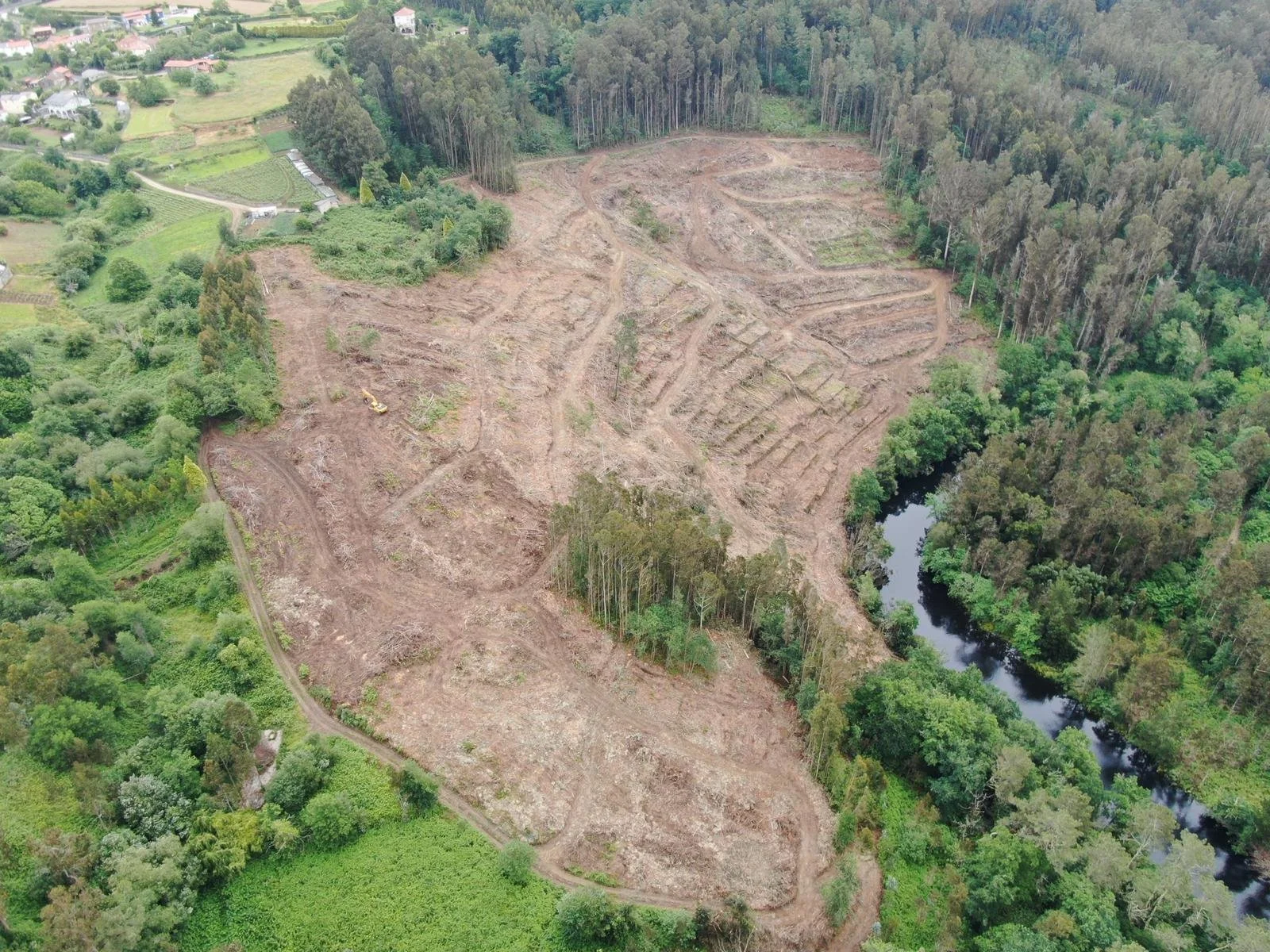
Betanzos is not an easy place to make wine. It’s near A Coruña on the north coast of Galicia, so close to the sea that tidal influences from the Ría de Betanzos reach vineyards far upriver. Although it gets less rainfall than in Rías Baixas, it also gets less sunlight, and ripening can be challenging. The risk of frost and the recent arrival of Asian hornets also cut into yields.
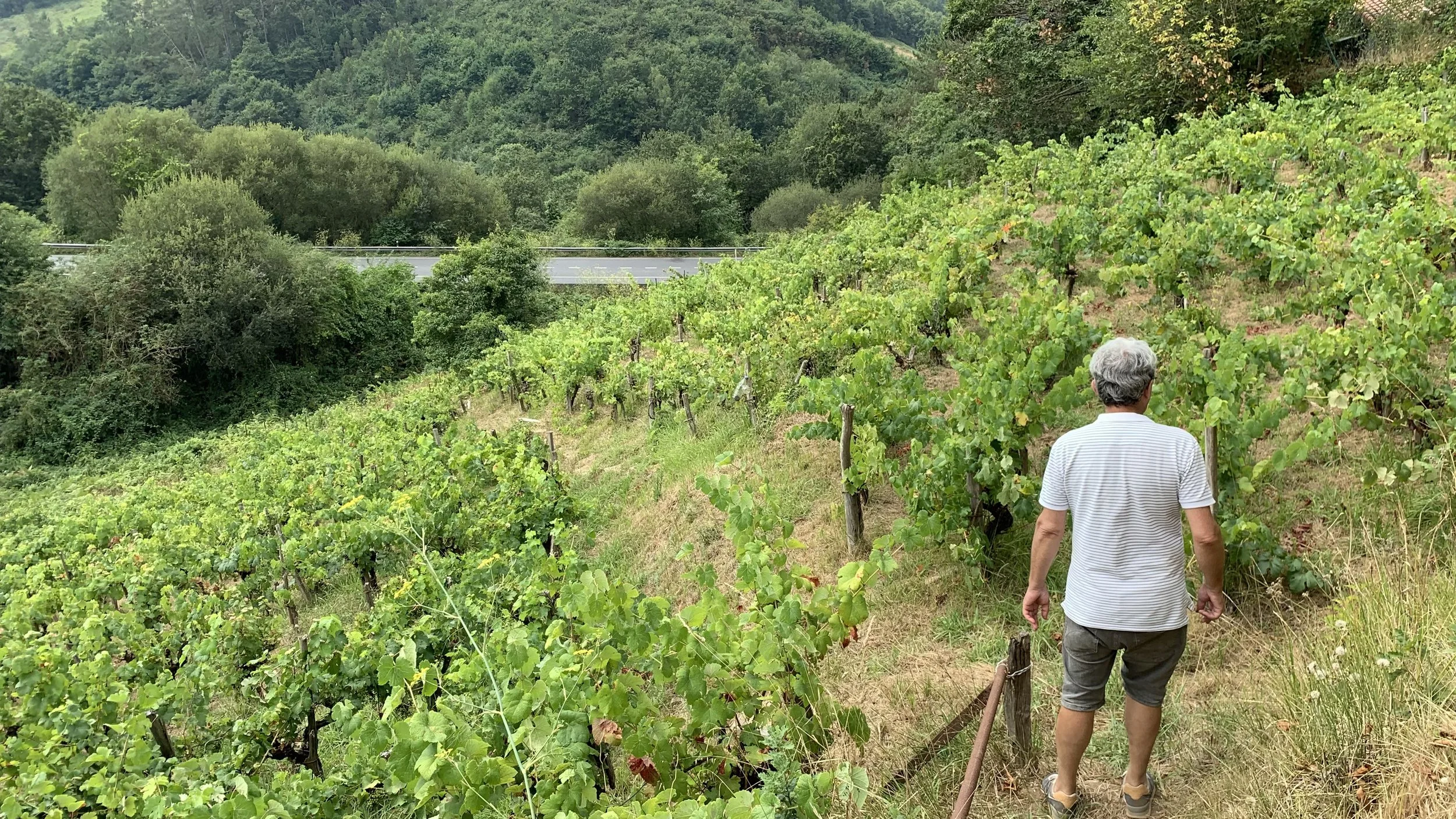
But somehow, people have always made wine here. As we stood in the two-hectare medieval terraced plot he was recovering in nearby Paderne, Luis told me about how much history was underneath our feet. Betanzos is built over a pre-Roman castro, or hill fort, and has been settled since Roman times. In the Middle Ages, it was the only real winegrowing area in the province of A Coruña, and there are records of grape growing that go back to the year 842. But as is the case all over Galicia, winemaking began to decline after phylloxera, and migration to cities saw vineyards get abandoned en masse.
Luis told me this history with typical “it is what it is” Galician detachment, but you could tell that it bothered him. I’ve spoken to enough growers who reminisce about the old days to recognize when someone wishes they could go back and change the past. As he put it, Betanzos was “dead” until 2015, when producers like the now-disbanded Conexión Mandeo and Ribeiras de Armea started to make “good wines.” A scientific foundation catalogued the local grape, Branco Lexítimo, and an Indicación Xeográfica Protexida was approved. It finally seemed like there was some momentum. But nothing changed.
I have underlined in my notes, “Betanceiros ainda non creen no viño de Betanzos.” People from Betanzos still don’t care about wine from Betanzos. You can’t blame them—I’ve tried some homemade wines that were… less than great. In the 90s, there was a big problem with cleanliness in winemaking and some people got seriously sick after drinking the local stuff, Luis told me, which left a collective bad taste in the mouth.
But Luis didn’t care if people didn’t care. He would make them care. He was in love with Betanzos, and he believed in its potential, making comparisons to both the great medieval wines of Ribeiro and to the wines of the Loire as we tramped up and down hilly vineyards throughout the afternoon.
He spoke of the Mandeo and Mendo valleys with a young man’s enthusiasm, reminiscing about a time when grapes were brought up the tidal rivers by boat, and impassionately railing against the N-6 highway that bisected the landscape with speeding cars—”una burrada!” he called it, “completely absurd.”
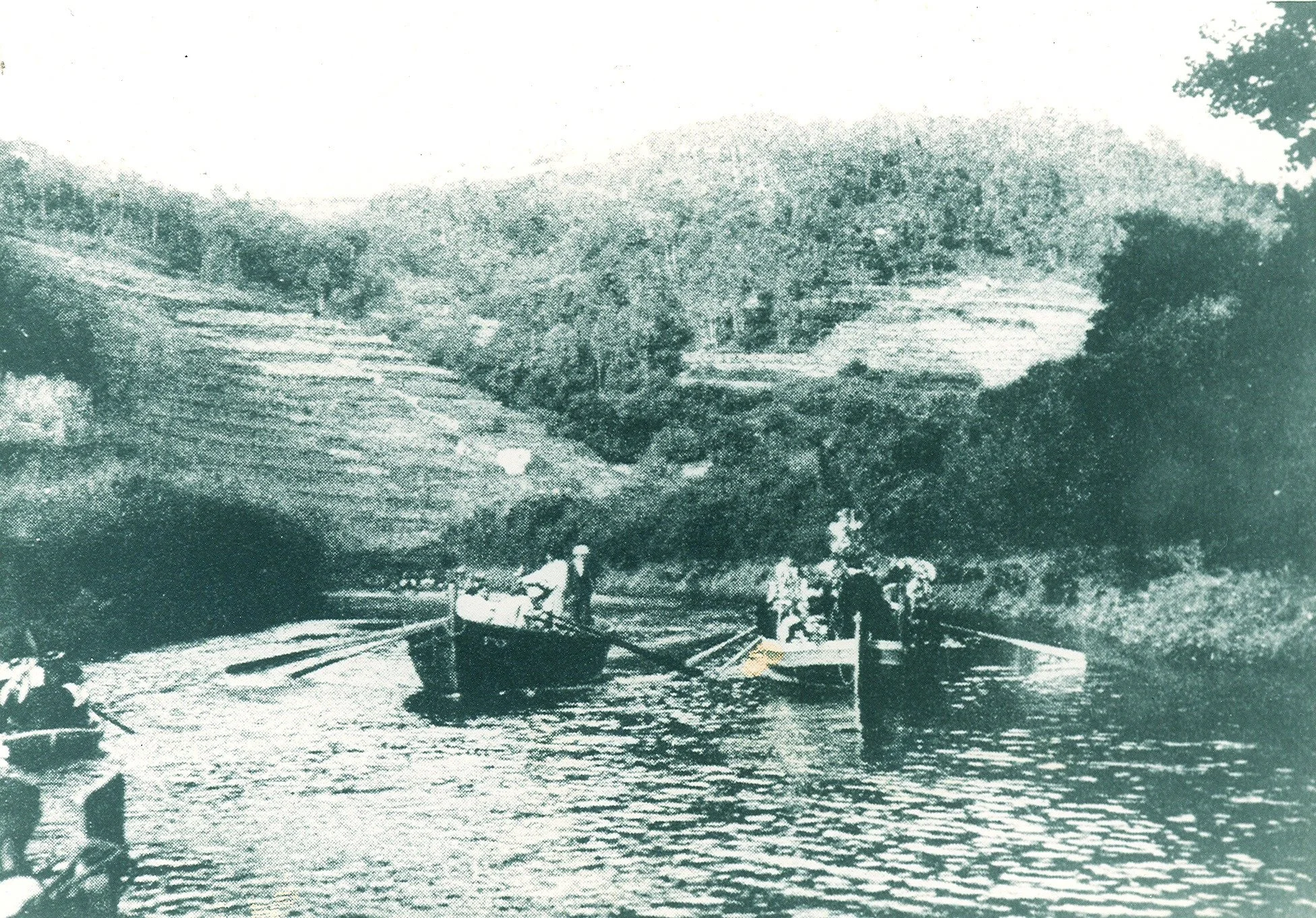
From Pagos de Brigante’s Facebook
The first vintage for Pagos de Brigante was in 2020, made with the help of enologists Dominique Rojou de Boubée and Guillaume Barrier, and it quickly became a leader among the 6 other wineries in the area. When I visited, they were producing around 6,000 bottles a year, and had even managed to get great ratings from Luis Gutierrez of Wine Advocate.
Spending part of his life’s savings, Luis bought and rented as many plots as he could, keeping vineyards going when elderly owners couldn’t maintain them. In the end, he cobbled together 10 hectares from almost 100 owners, some of whom didn’t even live in Spain. He was pained by the idea of tradition being lost because of people not wanting to continue. As chairman of the Terras de Betanzos Producers Association, he led with the example of his own work of recovery while championing others who wanted to do the same.
Betanzos may be small and its wines obscure, but it mattered to Luis Sande, and he made it matter to many more people. His vision and its realization prove something I’ve said over and over again: Galicia é un mundo, Galicia is a whole world. Even the tiniest corner can yield something amazing. His death is a profound loss, but his legacy will live on in the wines, the vineyards, and the memory of those who were lucky enough to know him.